How Verve makes sense of messy food labels
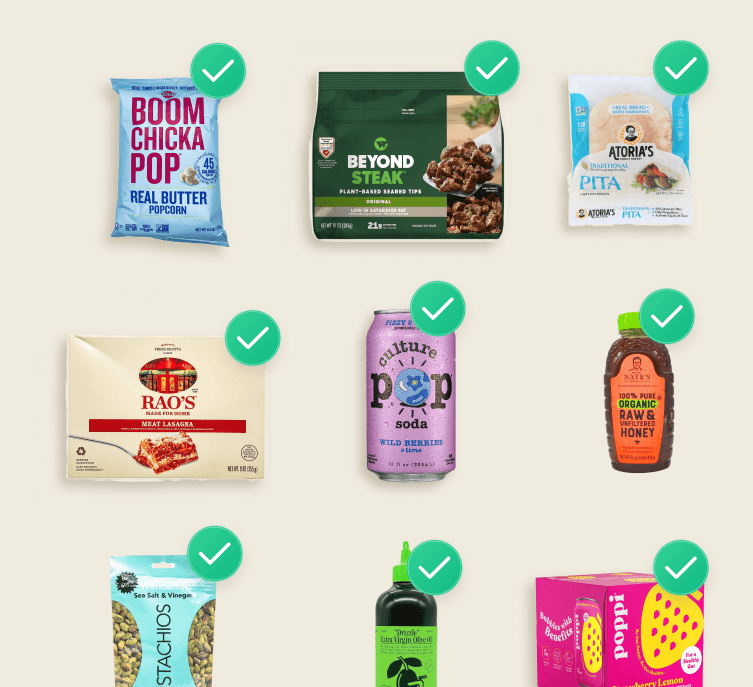
When your dietary needs are strict, there’s little room for error. That’s why we built Verve: to make grocery shopping clearer, safer, and far more personal.
In our last post, we shared how we source product data—and why accuracy matters.
Read: How Verve Gets Data Right
Now, we’re digging into the next layer: how we interpret and present that data so you can decide, with confidence, what works for you.
Because real life isn’t black and white. Labels can be vague. Brands sometimes leave things out—or get them wrong. And still, you’re left asking: Can I eat this?
We’re here to help answer that question.
—
This is how we do it:
It all starts with the label
Every product on Verve begins with what’s printed on the package:
Ingredients
Nutrition facts
Certifications
“Contains” and “May contain” statements
Same as you’d read in the store—except we digitize and enrich it so it’s easier to search, filter, and match to your needs.
We partner with trusted data providers—SPINS and Syndigo—who combine manufacturer-submitted info with real-world shelf scans. Every label is photographed, digitized, and carefully vetted before it reaches you.
So when you’re shopping on Verve, you’re seeing exactly what’s on the label—not just what a brand says.
How we decide if a product meets your needs
At the core, our system answers a simple question:
Does this product contain something you’ve said you want to avoid?
If an ingredient is explicitly listed—or mentioned in a “contains” statement—we flag the product. If not, we mark it as a fit.
This can sometimes lead to surprising results. A “Pineapple Beverage” might show up as safe—even if you’re avoiding pineapple—because it contains artificial flavoring, not actual pineapple.
We don’t make assumptions or rely on branding. We go off what’s in the product—line by line, label by label.
Cross-Contamination and “May Contain”
U.S. labeling laws require brands to disclose the top nine allergens: Milk, Eggs, Fish, Shellfish, Tree Nuts, Peanuts, Wheat, Soy, and Sesame.
But there’s a gap: brands aren’t required to include “may contain” warnings or flag cross-contamination risks for other ingredients. Those disclosures are voluntary—some brands include them; many don’t.
With thousands of manufacturers and millions of products, confirming cross-contamination case-by-case isn’t scalable.
So we focus on what we can verify: ingredient lists, plus any “contains” or “may contain” statements printed on the label. If cross-contamination is a serious concern for you, we recommend reaching out to the brand directly for added assurance.
What about “Natural Flavors” and other vague terms?
Catch-all terms like “natural flavors,” “spices,” or “color added” are allowed under FDA rules—as long as they don’t mask major allergens. But they can leave you guessing.
Here’s our take: If there’s no clear link between a vague term and the ingredient you’re avoiding, we mark the product as a fit.
Most of the time, these terms don’t include your trigger—but flagging all of them “just in case” would clutter your results more than it would protect you.
So we give you the full picture and let you decide how cautious you want to be.
—
Our philosophy: Give you the facts, let you decide
We don’t make blanket decisions for you.
We surface the right information so you can choose what feels right for you and your family.
We know product data isn’t perfect. Some labels are vague. Some brands do it better than others. And yes, once in a while, we miss something. But we’re always improving—tightening our logic, learning from edge cases, and acting on your feedback.
Verve exists because we’ve been where you are—staring at labels, second-guessing, hoping we didn’t miss something.
We’re here to make that easier, together.
— Anthony, Founder